
Comparing tile estimates and timelines in Central Florida
Turn a material choice into a written scope and a workable schedule.
Read this post →Published on | By the Aesthetic Tile Team
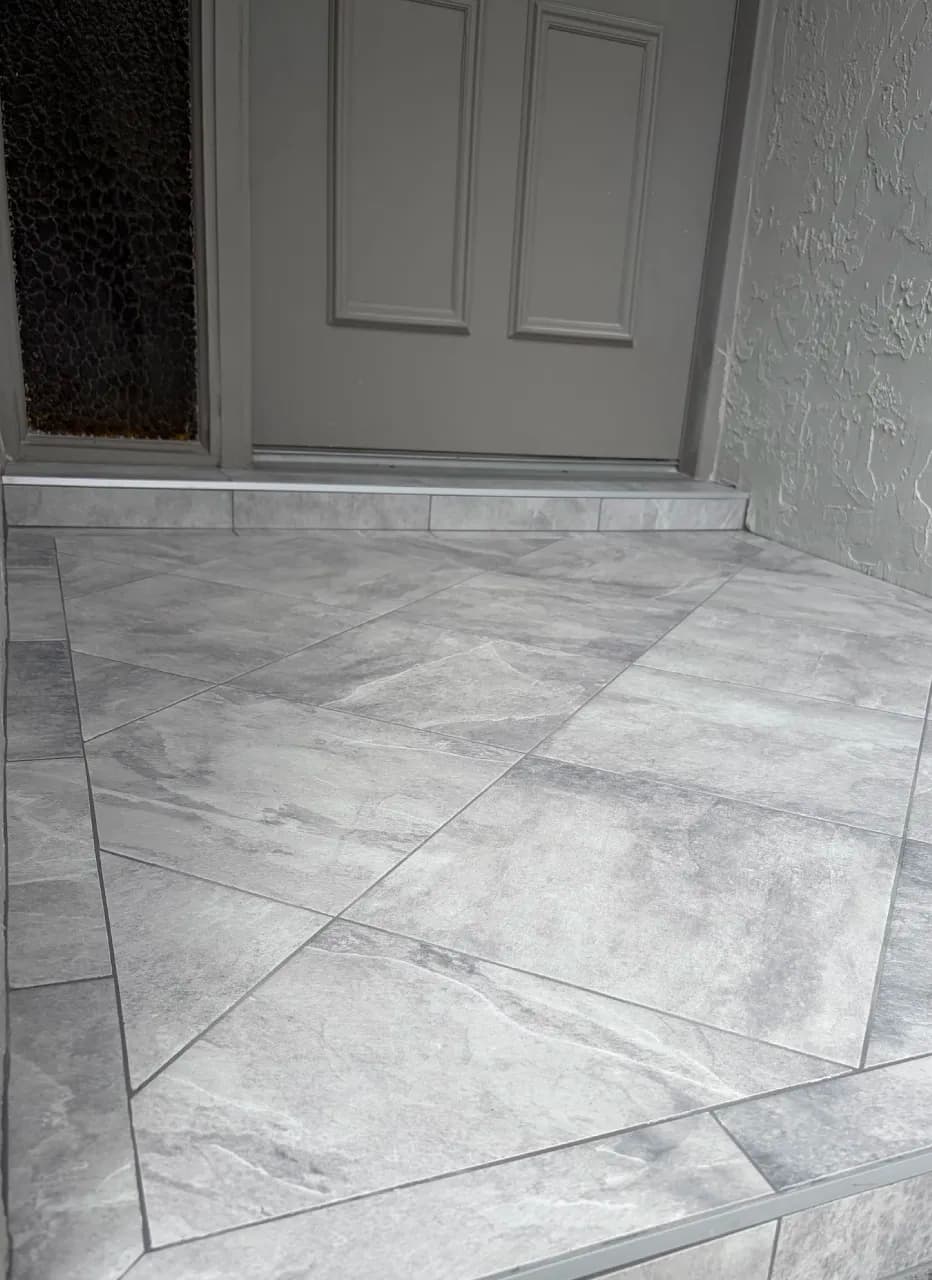
The sample that looks best in the showroom is not always the floor you will be happiest with in three years. Marble and travertine earn their reputation on depth and variation, and they keep it if you can live with a shorter list of cleaners and the occasional dull mark where an acidic spill etched the surface. Porcelain can give you a similar look with a different set of trade-offs. Which one is right depends on the room and on the care you will actually give it.
So choose the floor for the room you have. Porcelain is worth considering if you want a stone look with a different care routine. Marble and travertine deserve a closer look if natural variation is the feature you love. Either way, the exact product and finish matter more than the broad label.
Before you order, compare samples in the room, read the manufacturer’s application and care information, and discuss the installation with your contractor. If you are still working out the overall scope, start with our tile estimate and timeline comparison, then come back here to narrow the material.
Porcelain is a type of ceramic tile. The Tile Council of North America defines it by water absorption of 0.5% or less, measured using ASTM C373. That classification describes the tile itself, not its surface finish, approved uses, or the installation beneath it.
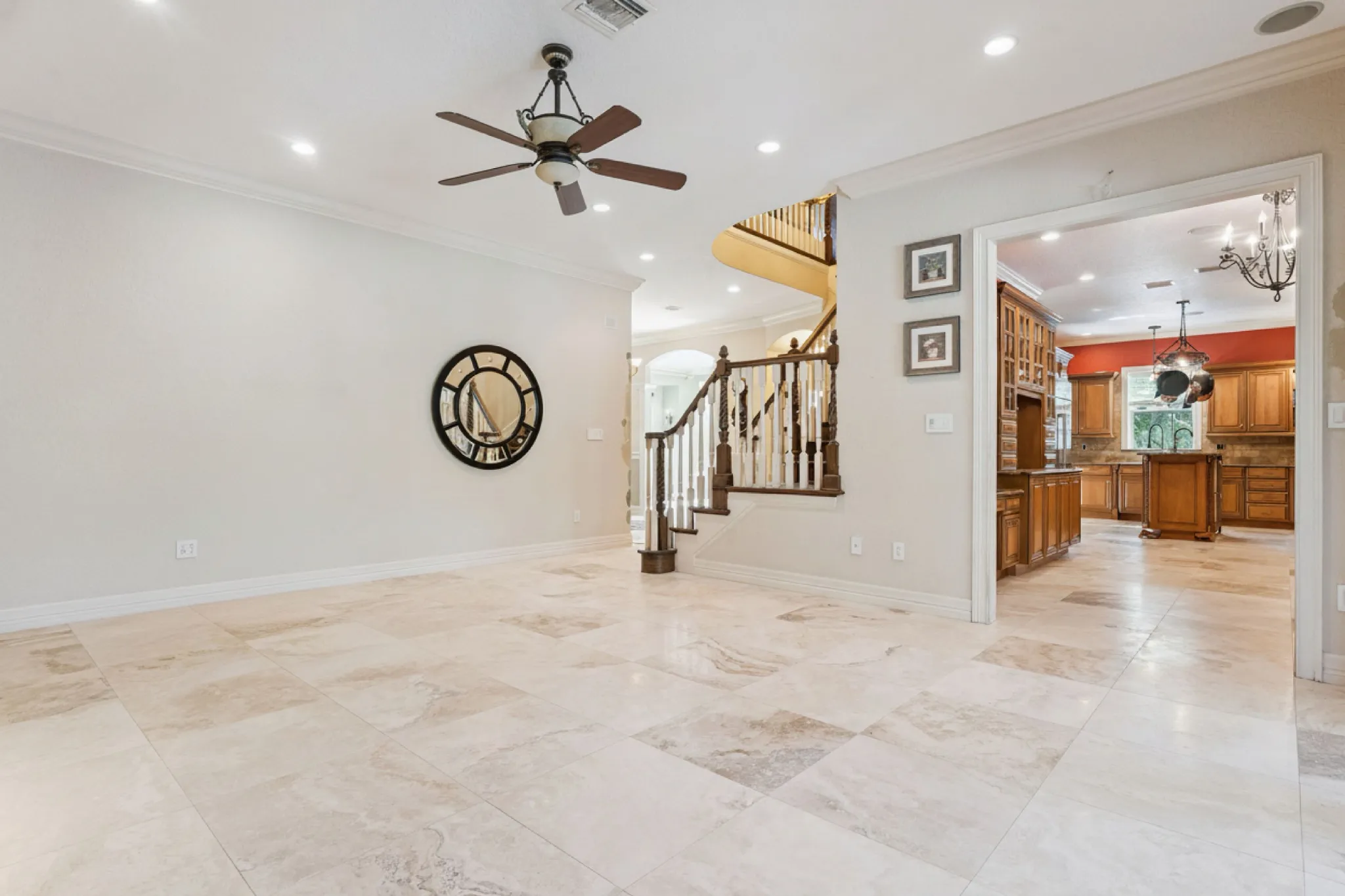
Marble and travertine are natural stone choices. Look at the particular material being offered, including its finish, variation, and any filling or backing. A small display sample is a starting point, not a complete picture of what an entire floor will look like.
On smaller screens, scroll sideways to read every column. Keyboard: Tab to the table, then use the Left and Right Arrow keys.
| Choice | What to look at | What to ask before ordering |
|---|---|---|
| Porcelain | The printed design, pattern repeats, texture, edge, and finish. | Is this exact tile approved for the intended floor? What cleaning or sealing guidance applies? |
| Marble | The range of color and veining across several pieces, plus the finish. | What variation should I expect, and how will the chosen stone be installed and cared for? |
| Travertine | The surface character, visible cavities or filled areas, and finish. | Is the material filled or unfilled, and what does the supplier recommend for this room? |
You may welcome variation across a natural stone floor, or prefer a more controlled pattern. Either way, review the installation requirements with your contractor.
Marble and travertine need attention to cleaner compatibility. The Natural Stone Institute warns that acids can etch calcareous stone. An etch changes the surface finish; a stain is discoloration. A spill can cause either or both, so a dull mark is not automatically a stain to scrub away.
A penetrating sealer can improve stain resistance. It does not make stone stain-proof or serve as a general defense against acid etching. Ask the stone supplier which cleaner and, if needed, sealer suit the actual material. Use the product instructions to plan maintenance rather than assuming every stone needs the same resealing schedule.
Think about how you want the floor to look after daily use. If a change in sheen would bother you every time light crosses the floor, discuss that before choosing a polished stone. If the variation and character are exactly what you want, include the care instructions in the purchase decision.
A tile that looks right in a dry living room may need a different assessment at an entry, on a porch, or in a bathroom. Bring up wet shoes, water exposure, traffic, and cleaning habits when selecting the product.
Daltile’s slip-resistance guidance explains that a DCOF measurement is useful information, but does not establish whether a slip can occur. Its guidance also considers the application, contaminants, maintenance, wear, and manufacturer recommendations. There is no slip-proof floor.
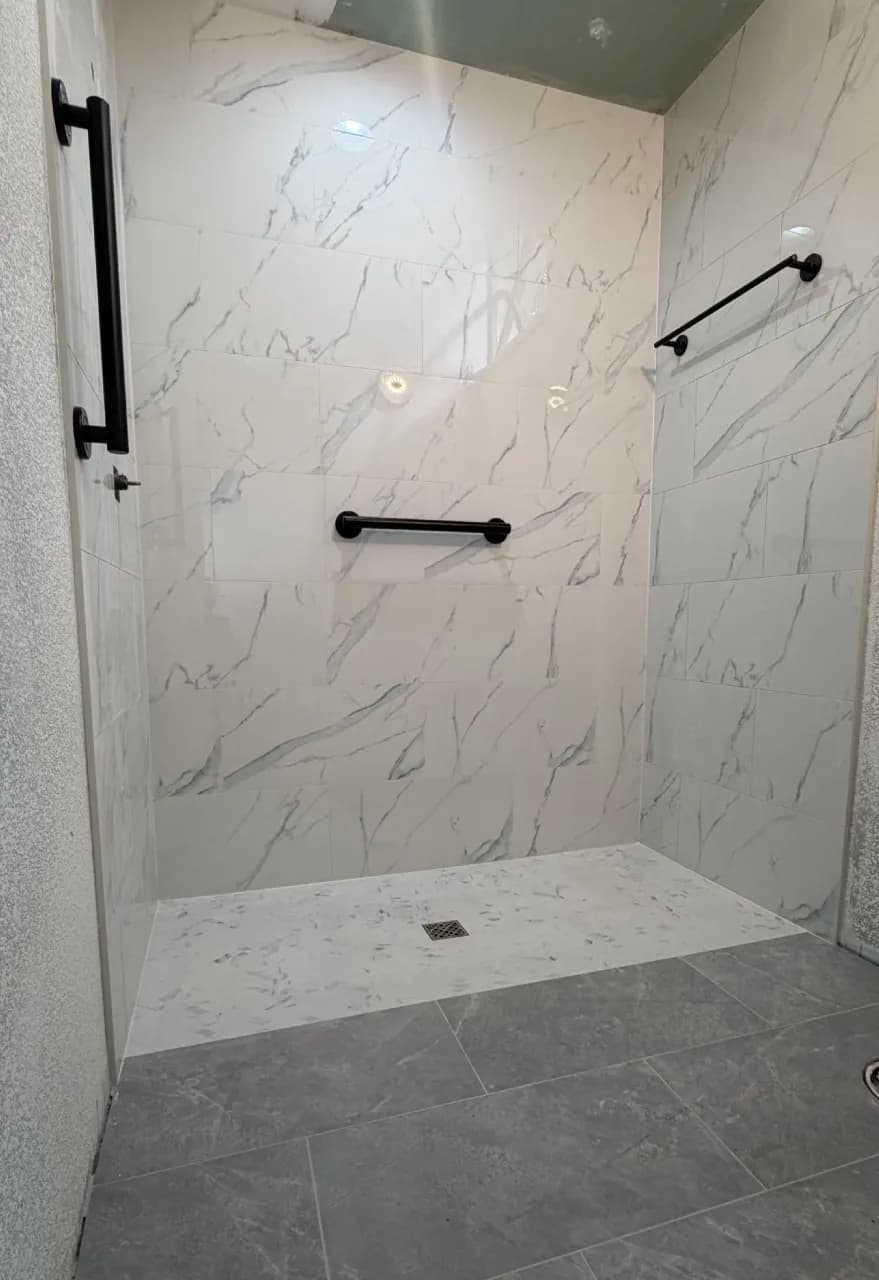
Ask the supplier to confirm the intended application in writing. A porcelain classification alone is not an outdoor or shower-floor approval. And whichever finish you select, a shower still needs its specified water-management assembly; our shower waterproofing and water-test guide explains that separate part of the project.
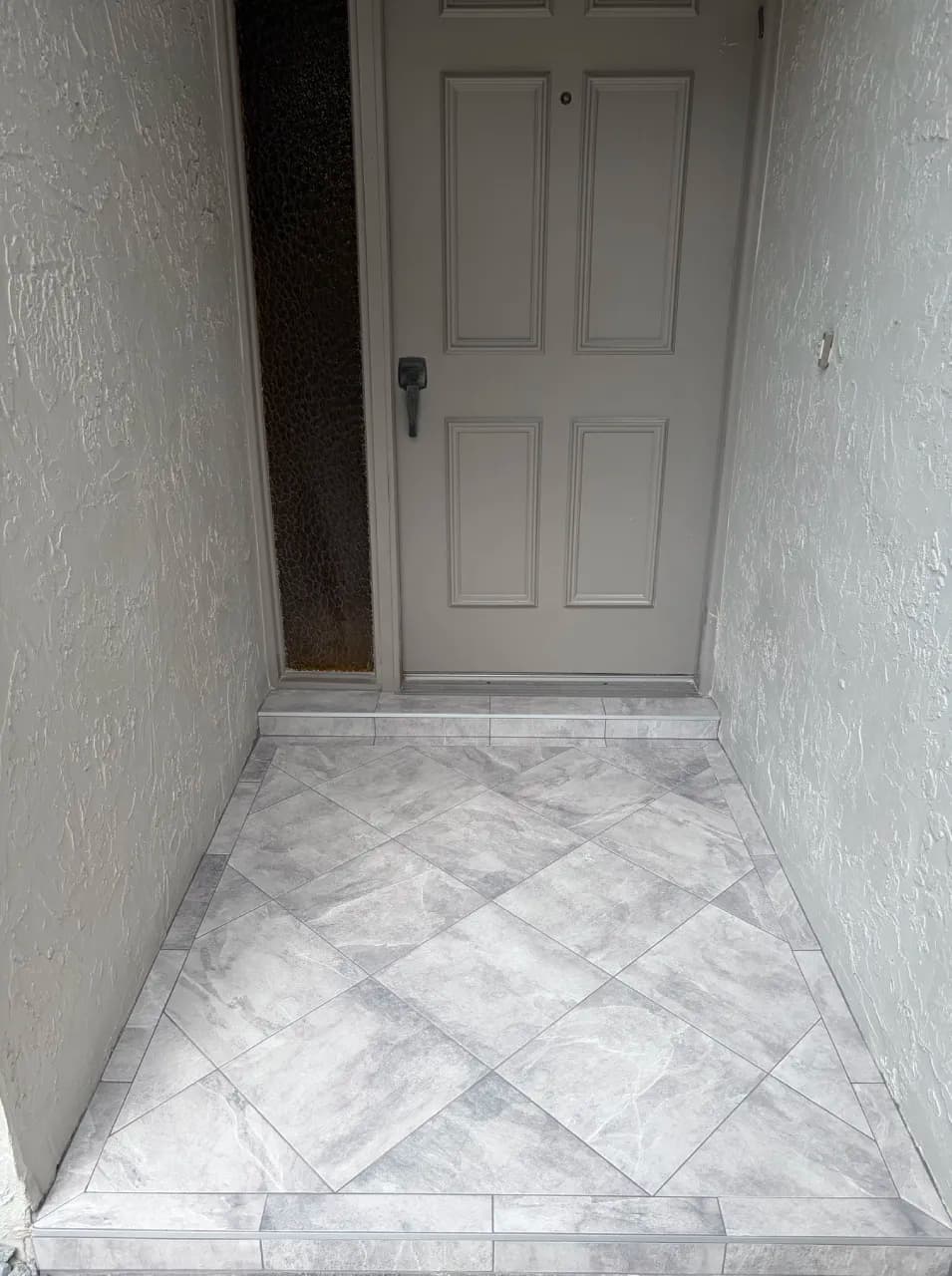
Ask for the same scope when comparing materials: removal, substrate assessment, preparation, setting products, layout, grout, transitions, and finishing. A change in tile size or pattern can change the work even if the material price is similar.
Bring the edge details into that conversation. What happens at a doorway? How does the new floor meet another material? Is a border included? Our marble and travertine project update shows why a medallion layout requires more planning than choosing the field tile alone.
Request care requirements alongside the installation scope. If one choice needs a cleaning routine you will not follow, that deserves as much attention as the initial price.
You do not need to declare one material the winner for every home. You need a floor you like, a product suited to its use, and an installation and care plan you understand.
Explore our floor tile installation services or send Aesthetic Tile your room photos and sample choices. Then use the tile estimate and timeline comparison to turn that choice into a clear scope. For a bathroom project, the next step is understanding the work and waiting time behind a tiled shower.


Tell us about your room, the materials you have in mind, and the questions you want to discuss.